
The science of mycorrhizae and root symbiosis
Have you ever felt that, despite using the best fertilisers, your plants do not reach their full potential?
The problem is usually not a lack of food, but the root's inability to process it. In intensive systems, abiotic stress such as water stress or salt accumulation limits nutrient absorption, stirring the frustration of growers who watch their investment drain away.
The solution is not to add more product, but to optimise the soil's biological machinery through the plant-fungus symbiosis.
What are mycorrhizae and why does your crop need them?
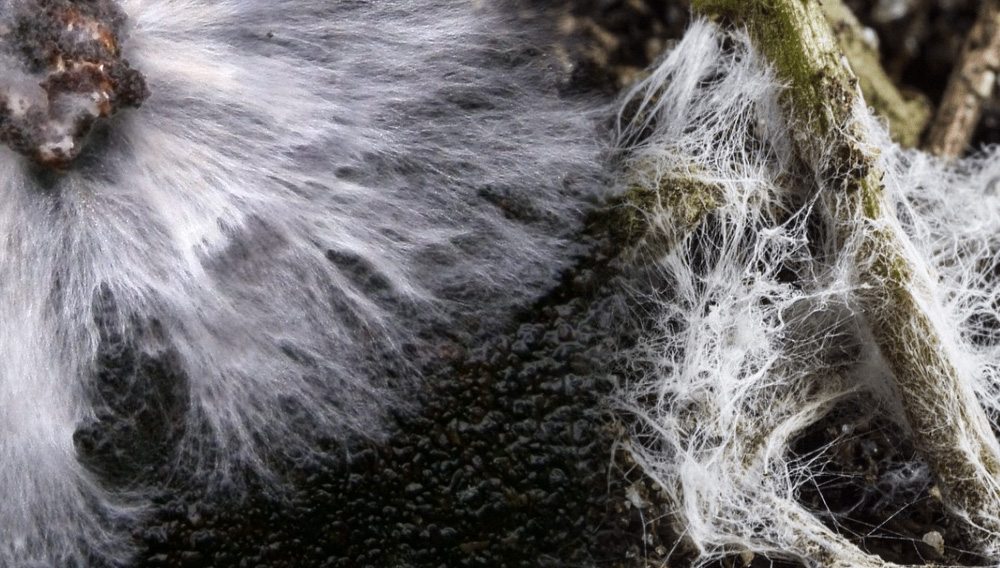
Mycorrhizae are the mutually beneficial relationships established between beneficial fungi and the plant's roots. In the T-One catalogue, we focus on the species Glomus intraradices (Rhizoglomus), a biological catalyst that expands the reach of the root system.
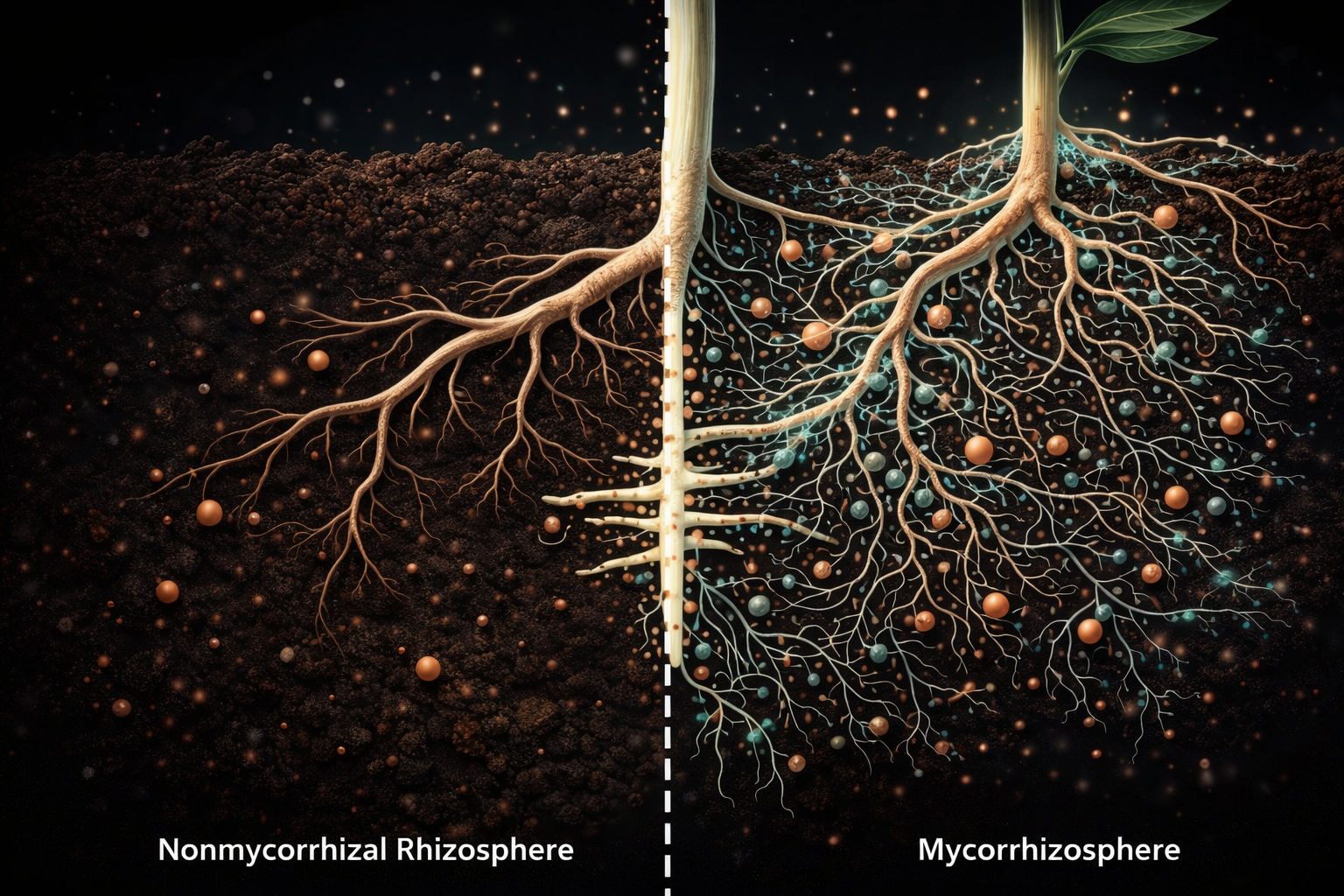
While the root absorbs nutrients in its immediate zone, the fungal hyphae extend much further, reaching micropores in the substrate that the root cannot. This translates into significantly higher nutrient and water absorption, especially of poorly mobile elements such as phosphorus and potassium.
Technical benefits of mycorrhizae
Mycorrhization is not just a matter of "ecology"; it is a high-performance strategy for the professional grower:
- Nutritional efficiency: By improving uptake, the effectiveness of the fertilisers used increases, reducing waste and optimising the plant's profitability through a larger harvest.
- Stress resistance: Mycorrhized plants show greater tolerance to abiotic stress (e.g. water stress and high salinity), allowing them to thrive in adverse conditions.
- Natural protection: The fungus reinforces the plant's defence system (via jasmonate), helping to prevent attacks from pathogenic fungi and improving the overall health of the crop.
When to use mycorrhizae: Mico Dust vs. Mico Tabs
At T-One, we understand that every grower has their preferences. That is why we have designed two formats that guarantee maximum biological viability:
1. T-One Pro Mico Dust: The Precision Biostimulant
Ideal for those seeking full integration into the substrate from the start. With a concentration of 1500 sp/g, this biostimulant powder is used at a rate of 0.5 g/L to activate the benefits in the soil immediately. It is the perfect tool to strengthen the root system from the start and reduce transplant failures.
2. T-One Pro Mico Tabs: Simplicity and Power
Designed for the grower who wants results without complications. These tablets combine Glomus intraradices with organic matter and extracts of the alga Ascophyllum nodosum.
Dose: Just 1 tablet per plant.
Use: Place it slightly below the surface of the substrate and let nature do the rest.
Quick Tips on Mycorrhizae and Biological Fertilisation
- Apply early: The sooner you establish the symbiosis (from sowing or the first transplant), the greater the structural benefit.
- Avoid systemic fungicides: These products can harm mycorrhizae. Prioritise biological prevention.
- Control initial phosphorus: Excessive levels of synthetic phosphorus at the start can inhibit fungal colonisation; use the recommended doses of T-One Pro.
- Quality water: Although T-One products allow the use of tap water, it is always better to avoid extreme chlorine levels that may affect the microlife.
- Use in transplants: Mico Dust is excellent for "coating" the root ball during repotting, ensuring direct contact with the new roots.